January 13, 2026

UPRM’s Center of Excellence for Transportation and Logistics is helping Puerto Rico retain its brightest engineering talent

Graduate student Jennifer Dominguez Vega decided to stay in Puerto Rico to take advantage of opportunities that weren’t available just two years ago

Jennifer Dominguez Vega grew up in Isabela, a small town on Puerto Rico’s west coast, far from the main ports. She thought she knew what was most important in life, but when Hurricane Maria struck in 2017, she spent six months of high school without electricity. 

The storm did more than cut off power; it revealed just how fragile Puerto Rico’s infrastructure was. The real problem wasn’t bringing supplies to the island but getting them to communities like hers. Roads were blocked, communication was down, and the supply networks that delivered food, medicine, and other essentials from the ports to inland towns had broken down. 

“Logistics is what brings everything here, even the things that are made here,” Dominguez Vega said. “It’s just so critical.” 

Those six months and her new understanding of how important supply chain resilience is for life in Puerto Rico would shape her future. 
The Brain Drain Problem

Puerto Rico has been losing talented people for decades. From 2010 to 2020, the island’s population dropped by over 11%, with many young professionals leaving home for advanced education and more lucrative employment. For engineering graduates, the trend was clear: get your degree at the University of Puerto Rico – Mayagüez (UPRM), then move to the mainland for better opportunities. 

“That was the stigma, you know—if you want to be successful, you need to go over there,” Dominguez Vega explained. 

Both of her parents are industrial engineers who met at UPRM. Growing up, she learned about the field’s possibilities, but wasn’t drawn to the industries her parents practiced in. Unsure which branch of engineering to choose, she tried co-ops at aerospace and medical device companies.   

“When I entered engineering, it was with the mindset that I’m going to absorb everything. I’m going to learn about as much as I can of different industries,” she explained. The co-op experiences let her “taste” what different sectors have to offer. The aerospace work showed her one side of industrial engineering; the medical device company revealed another. Each taught her something about how systems operated, how processes could be optimized, and how problems got solved. 

But neither crystallized what she wanted to do next. 

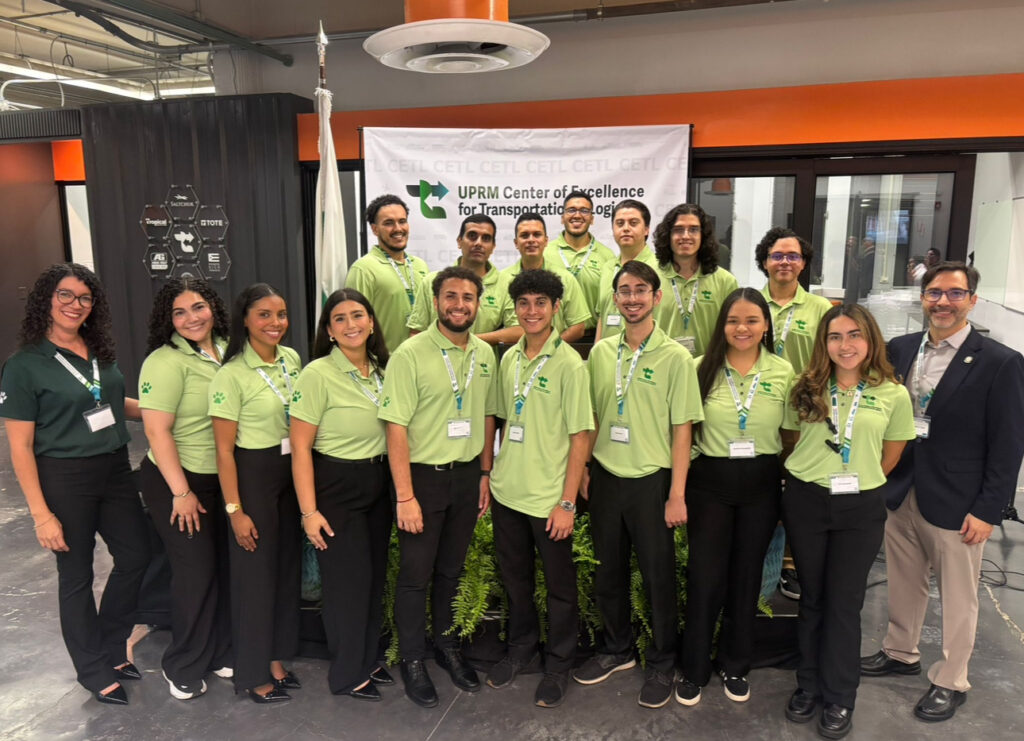
Dominguez Vega and other UPRM students who presented their research at the inauguration

Dominguez Vega became a teaching assistant in her third year of college, but because she took advanced placement courses, she was teaching fourth and fifth-year students while still technically a sophomore. It was just like a lot of exposure and being able to show, yeah, I know that I have this knowledge, I can help these students, she said. 

While finishing her bachelor’s degree, Dominguez Vega works three part-time jobs simultaneously—teaching assistant for 72 students in automation and robotics, coordinator for CETL projects, and weekend shifts as a bartender and waiter at her family’s restaurants. The family operates five restaurants across Puerto Rico.

A New Center, A New Choice

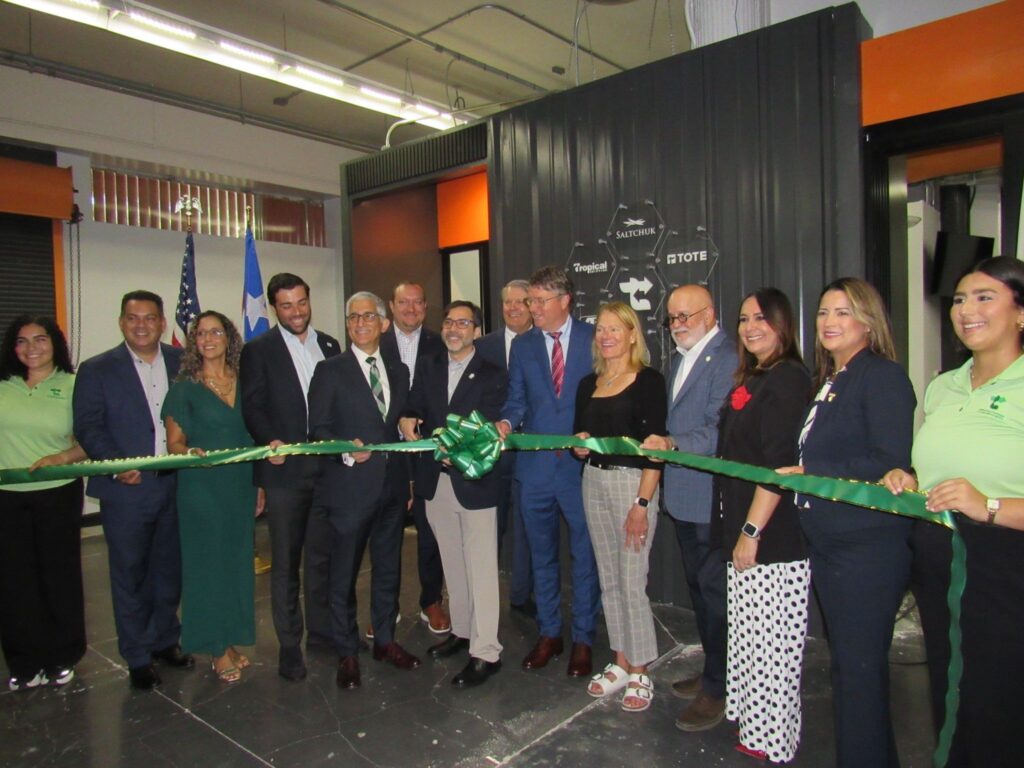
Jennifer at the ribbon cutting for the CETL inauguration in September 2025 with Saltchuk Chairman Mark Tabbutt, Dr. Hector J. Carlo, and other community leaders

Last summer, as graduation approached, Dominguez Vega started looking at graduate schools. Then she learned about the newly formed Center of Excellence for Transportation and Logistics (CETL) at UPRM. Established with a grant from Saltchuk and broad industry engagement, the Center provides graduate students with research opportunities focused on real problems facing the island’s ports, supply chains, and transportation systems, such as improving port operations and disaster response. As the first center of its kind in the Caribbean, CETL offers strong funding, advanced research, and direct links to local employers who need these skills. 

A meeting with Dr. Hector Carlo, the head of CETL, was something Dominguez Vega calls a “full circle moment.” He had taught her first industrial engineering class years before, and when he invited her to join the Center, she believed in his vision.  

“I saw so many opportunities and things that we could do for Puerto Rico,” she said. “I was applying to other schools like MIT, Georgia Tech, you know, like bigger schools. I never saw the same opportunities here.” 

She enthusiastically decided to join the CETL and remain in Puerto Rico. This month, she begins her master’s degree in industrial engineering, with a focus on transportation and logistics issues unique to island economies. 

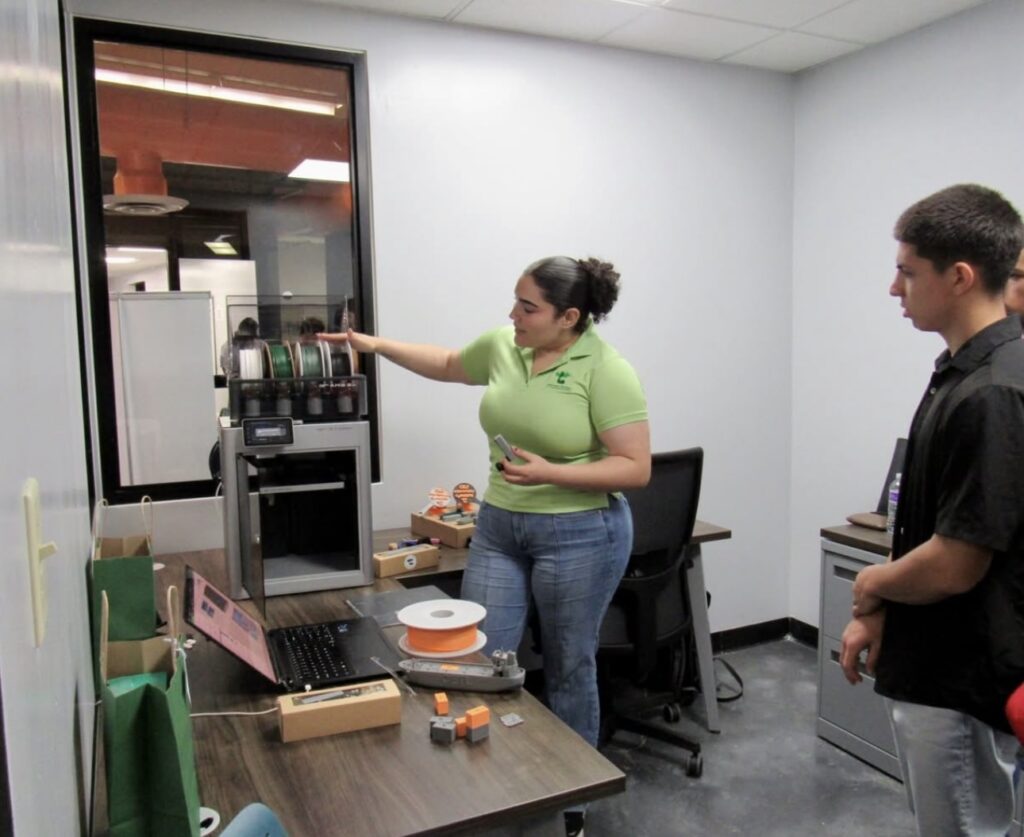
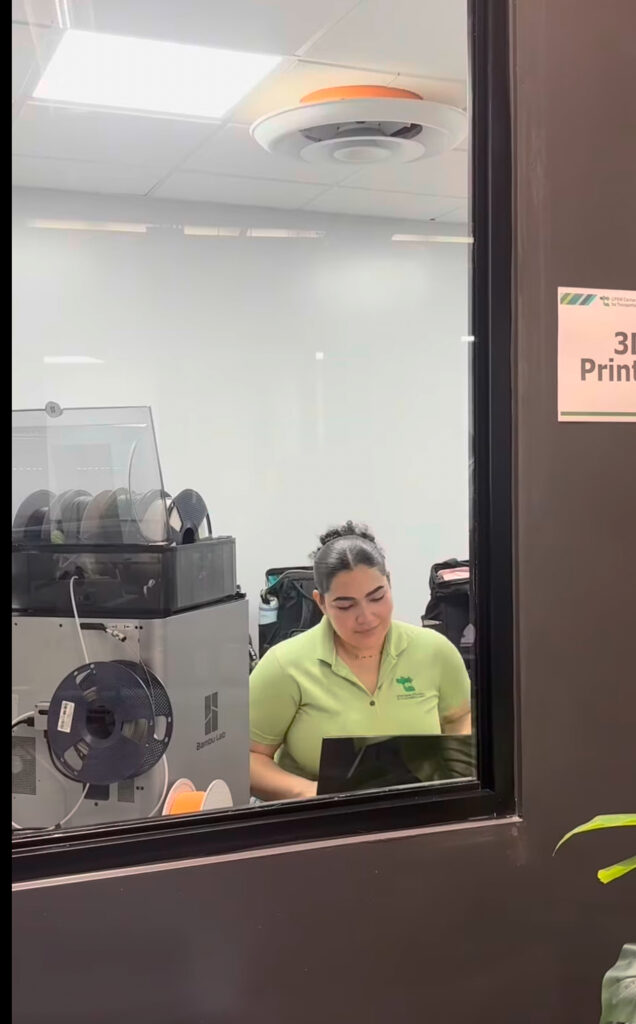
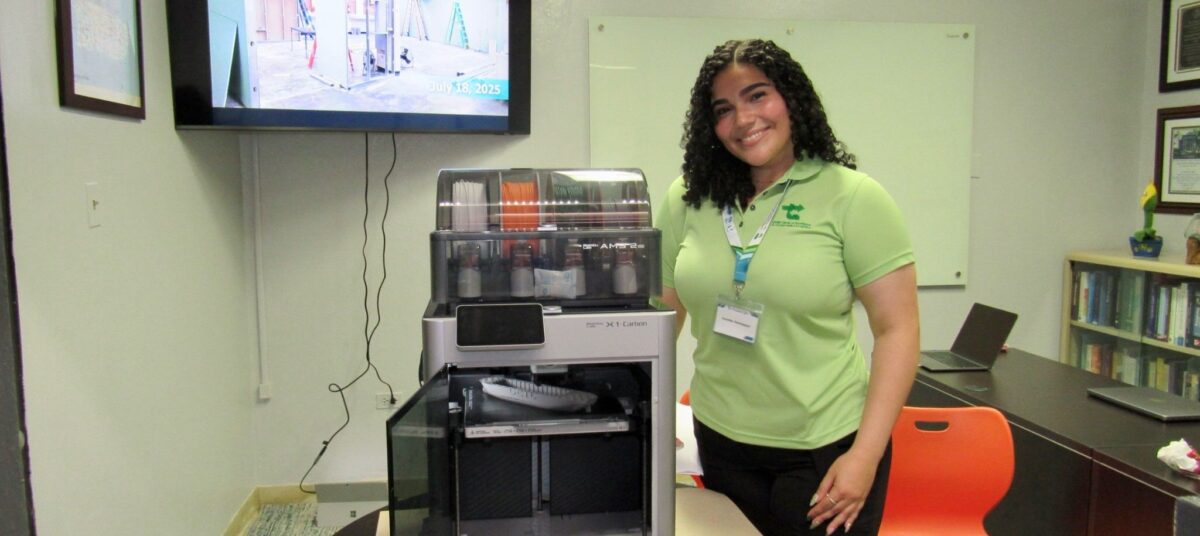
Dominguez Vega bought herself a 3D printer after her first industry experience, teaching herself to design and model using the technology. When she joined the CETL team, they needed presents and decorations for the inauguration; on short notice, she designed and delivered scale models of ships, trucks, and containers that demonstrated how industrial engineering skills translate from small-scale gifts to large-scale facility planning.  

Dominguez Vega is part of the Directive of the Institute of Systems and Industrial Engineers (IISE), which strives for the academic and professional development of industrial engineering students. She is part of a mentorship program for incoming industrial engineering students that now has waiting lists. First-year students are showing “unprecedented interest” in logistics careers specifically because of the CETL—a complete reversal from just two years ago, when most students planned to leave Puerto Rico immediately after graduation. 


Reversing the Tide

Dominguez Vega is the kind of talent Puerto Rico needs to keep. She is finishing a five-and-a-half-year bachelor’s program with a perfect GPA, has been a teaching assistant for three years, and has the technical skills and work ethic that companies look for. 

Two years ago, she might have left. Today, she is staying, and others are making the same choice. 

Dominguez Vega says the CETL’s influence is felt across UPRM’s campus. The industrial engineering department is more energetic, with first-year students showing new interest in logistics careers. Students from other engineering fields are thinking about switching to industrial engineering to take advantage of these opportunities. The mentorship program that Dominguez Vega helps run now has a waiting list. 

“Right now, it’s the most lively I’ve seen it because of the things that are happening inside,” she said of the department’s transformation. “The sheer number of people who have already been interested in those types of opportunities—we just have so many things happening.” 

The Center also tackles a common problem: Puerto Rico needs logistics experts to grow its economy, but talented students won’t stay unless there are good jobs. By offering industry co-ops and capstone projects in the transportation industry, CETL creates these opportunities and helps build the workforce that companies need. 

Beyond the Degree

Six years ago, Dominguez Vega’s mother was diagnosed with lung cancer. She left her job in industrial engineering to work in the family’s business, where she uses her skills to optimize operations and apply systems thinking in a new way. This flexibility helped her manage her health while still using her expertise. 

“She’s one of my biggest inspirations,” Dominguez Vega said. “You can see how much it has impacted the businesses to have that type of knowledge in there.” 

Balancing professional fulfillment and quality of life shapes how Dominguez Vega thinks about her future. She is considering a doctorate and possibly becoming a professor, building on her experience as a teaching assistant. Because of the CETL, this academic path is now possible in Puerto Rico. 

“I knew deep down that I wanted to do something impactful…something where I can directly impact Puerto Rico and leave a mark. I saw it within CETL,” she explained. “I saw it within this industry.” 

Every talented engineer who stays strengthens the island’s capacity to solve its own problems. Dominguez Vega’s generation aims to build resilience from within—strengthening logistics networks so that Puerto Rico can develop into its full potential as a transportation hub for the Caribbean. When the next storm comes, inland towns like Isabela won’t spend six months in the dark.Â