When you work for a Saltchuk company, the job means something. Our vessels deliver heating fuel to villages that can’t be reached by road. We move the goods that stock shelves across Alaska, Hawaii and Puerto Rico. We crew ships for the Military Sealift Command, transport critical energy, and keep commerce flowing through some of the busiest ports in the country. This isn’t abstract logistics—it’s work that communities count on, every day.
Sail With Us
Your Maritime Career Starts Here.
Do Work That Matters.
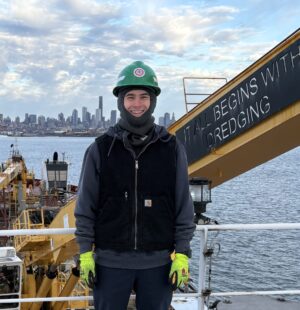
A Career Path Confirmed
"Hopper dredges were the only ships I wanted to work on and GLDD is the best hopper dredge company to work for."
Grady Gralewski
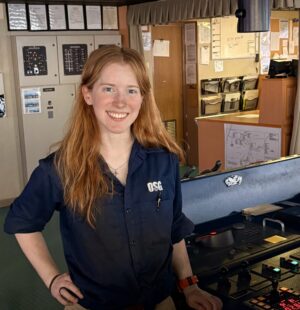
Mass Maritime Cadet Finds Her Place in OSG’s Tanker Fleet
"I told him (the recruiter) about my interest in tankers and why I wanted to work on them. He explained the work rotations and the opportunities, including international routes," she said. "Something clicked. It felt right."
Madison Selby
Visit With us at Upcoming Career Fairs:
Next stop: SUNY Maritime | Oct 6 & 7 | Overseas Shipholding Group/Alaska Tanker Company, and Great Lakes Dredge & Dock
- Maine Maritime | Oct 15 | Foss Maritime, Young Brothers, TOTE Services, Overseas Shipholding Group/Alaska Tanker Company, and Great Lakes Dredge & Dock
- Texas A&M | Oct 22 | Overseas Shipholding Group/Alaska Tanker Company
- Cal Poly Maritime | Oct 27 | Foss Maritime, AmNav, Cook Inlet Tug & Barge, Young Brothers, Overseas Shipholding Group/Alaska Tanker Company, and Great Lakes Dredge & Dock
- USMMA Fall Career Fair: TOTE Services
Talk to a Recruiter!
-
David Shevlin
Career Development and Licensing Specialist
-
Christine Mulcahy
Marine Personnel Manager
-
Tressie Osterrmiller
Marine Personnel Manager
Jade Umi
HR Business Partner
-
Milt Merritt
President
-
Jeff Johnson
President
-
Austin Adye
HR Business Partner – Fleet
Crewing
- Our seagoing personnel are experienced in operating a wide variety of vessels, including ro-ro, container, and special purpose vessels in various operational phases.
- Our proven Human Resources excellence and strong labor affiliations ensure that skilled crews are available to operate any vessel safely and in compliance with regulations and corporate policies.
- In 2026, we continue to have the pleasure of supporting over 600 crew members across our 30+ vessels. If you are interested in working with us please email our Human Resources team via https://www.toteservices.com/contact/
 A Place to Build Your Career.
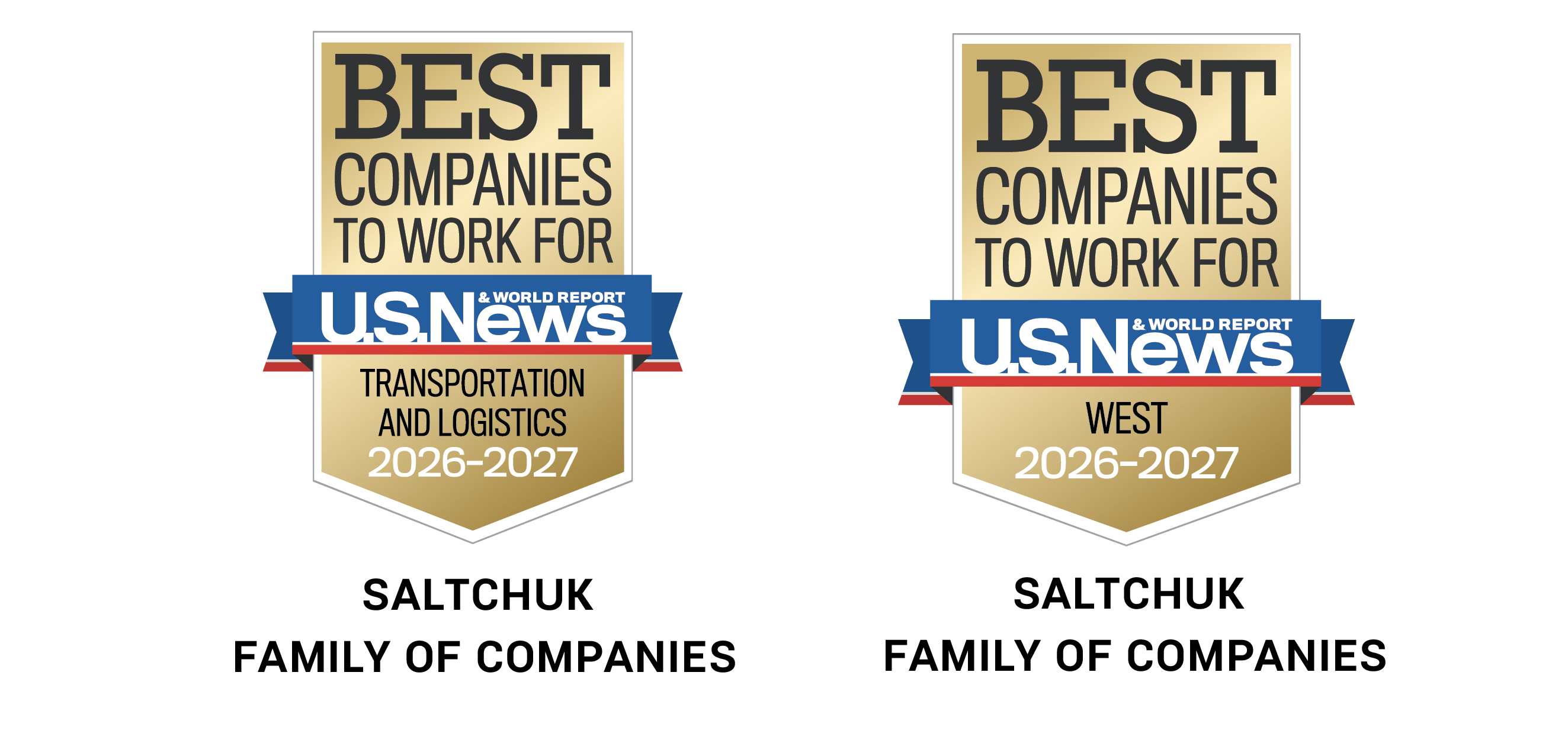
We’re proud to share that Saltchuk has been named one of the 2026–2027 U.S. News Best Companies to Work For, recognized both in Transportation and Logistics and in the West.
U.S. News built these ratings largely from what employees say about their own workplaces, pay and benefits, work-life balance, job stability, safety and comfort, belonging, and career opportunity.
We often say we want Saltchuk to be a place where we would all be proud for our children to work. It’s a test we hold ourselves to on behalf of the people we care about most: a company that invests in its people, its communities, and the environment; that’s ethical and reliable; and where you can build a career.
From Tugs to Tankers - the Saltchuk Family of Companies Offer a Wide Range of Maritime Career Opportunities.
The Saltchuk family of companies includes some of the most storied and respected brands in U.S. Maritime. Whether you’re interested in limited tonnage, containerships, or tankers – staying close to home or traveling the world, Saltchuk companies are a family of opportunity!
Why Sail With Us?
Safety is an operating principle, not a slogan. New mariners are often rightly cautious about company culture around safety. Saltchuk companies believe in stop work authority, giving the autonomy to vessel crews to make the right call—even when it’s the slower or more expensive one—you will always be supported in doing the job right.
Investment in the person, not just the position. Between scholarship programs, cadet berths, and pathways from seagoing to shoreside opportunities. Saltchuk companies have a track record of developing mariners rather than just hiring them.

Cook Inlet Tug & Barge
Adventure in Alaska! Seasonal or year round opportunities with Alaska's tug and barge company!

Foss Maritime
Join the largest West Coast tug fleet- offering opportunities from harbor assist, towing, offshore wind, and projects. Hawaii, West Coast, to Alaska, the Gulf, and worldwide!
OSG & Alaska Tanker Company
Tankers serving U.S. markets to sailing the world with the U.S. tanker security program - OSG Ship Management crews OSG and ATC vessels

TOTE Services
Sail on direct routes or worldwide with commercial (RO/RO) or containership (LO/LO) carriers and government vessels. Join our Vessel Construction Management team.

Great Lakes Dredge & Dock
Sail with the largest and most diverse dredging fleet in the U.S. Project sites throughout the U.S. and overseas.
Search Open Positions
Saltchuk Job BoardOur Maritime Companies

Alaska Tanker Company
Alaska Tanker Company (ATC) provides ship management and marine transportation services primarily for crude oil carried from Alaska's North Slope to U.S. destinations along the West Coast.
Visit Website

AmNav
Since 1976, AMNAV Maritime, LLC has been the leading provider of marine and harbor services in the San Francisco Bay area. Established on the “best value” service solution, AMNAV has expanded operations to Los Angeles/Long Beach, and continues to be a leader in ship-assist, tanker and barge escorts, marine construction support, salvage, emergency response, military operations, shipyard vessel assist, logistics for oversized equipment, and vessel and barge towing services.
Visit Website
Cook Inlet Tug & Barge
Cook Inlet Tug & Barge specializes in harbor services with focus on the Port of Anchorage and Cook Inlet, Seward, Southeast Alaska, Aleutian Islands, and Western Alaska.
Visit Website
Foss Maritime
Since 1889, Foss Maritime has set the standard for marine transportation with leading edge technology and engineering. Whether it’s solving transportation challenges in remote parts of the world or efficiently handling everyday harbor jobs, Foss Maritime combines a global reach with local expertise, and prides itself on always offering customers safe and innovative solutions.
Visit Website

OSG Ship Management
OSG's vision is to be one of the most respected energy transportation companies in the world. That vision is built by providing safe and reliable transportation services to customers while protecting its seafarers, its vessels, and the environment and by creating a rewarding and challenging workplace for seafarers and shoreside employees. OSG is a leading provider of energy transportation services, delivering crude oil, petroleum products, and renewable fuels around the U.S. and throughout the world. Under the OSG and Alaska Tanker Company brands, the company owns and operates a fleet of U.S. Flag vessels.
Visit Website
TOTE Services
TOTE Services is a U.S.-based vessel construction management company that provides services for U.S. National Security Multi-Mission Vessels, commercial cargo, and transportation vessel projects. Since 1975, TOTE Services has provided full technical management and partial management/ crewing services for nearly one hundred government, private, and commercial vessels of various sizes and configurations.
Visit Website

Young Brothers
Young Brothers (YB) is Hawaiʻi's foremost interisland freight handling and transportation company, providing barge transportation services to residential and commercial customers throughout the Hawaiian Islands. As the only state-authorized common carrier for regular interisland water freight transport, YB maintains an essential role in Hawaii's supply chain infrastructure.
Visit Website