December 18, 2025

The Fixer: How a Village Agent in one of Alaska’s most remote communities coordinates crisis response—and everything else

in Alaska, Environment, People of Saltchuk

Dennis Davis serves Shishmaref as Ryan Air’s village agent, but his role extends far beyond cargo handling

Dennis Davis was watching the livestreams when Typhoon Halong slammed into Western Alaska’s Yukon-Kuskokwim Delta in October 2025. People were broadcasting as water surged toward their homes, as structures began drifting away, as entire communities faced catastrophic flooding.

“You’re seeing actual water coming all the way up, almost into houses. Houses floating by, and it’s not supposed to be floating,” Dennis recalled.

From Shishmaref, a barrier island village of 600 on Alaska’s northwest coast, Dennis knew his community had narrowly escaped. The storm had tracked just slightly left.

“It could have easily been us,” he said.

But proximity meant responsibility. As the Ryan Air village agent for Shishmaref and a coordinator for KUUK water—a nonprofit improving water access across rural Alaska—Dennis immediately began orchestrating response operations. The flooding had displaced more than 1,500 people. Some villages saw 90% of structures damaged. And in the chaos, one critical need rose above the rest: clean water.

“That was a no-brainer,” Dennis said. “We’re gonna need to get water out there.”
Rain or Shine

Dennis grew up in subsistence living—catching salmon, geese, moose, and caribou with his grandparents in a village across the bay from Shishmaref. His favorite is still musk ox, though you won’t find it in restaurants. His grandfather did similar work, getting clean water to surrounding villages.

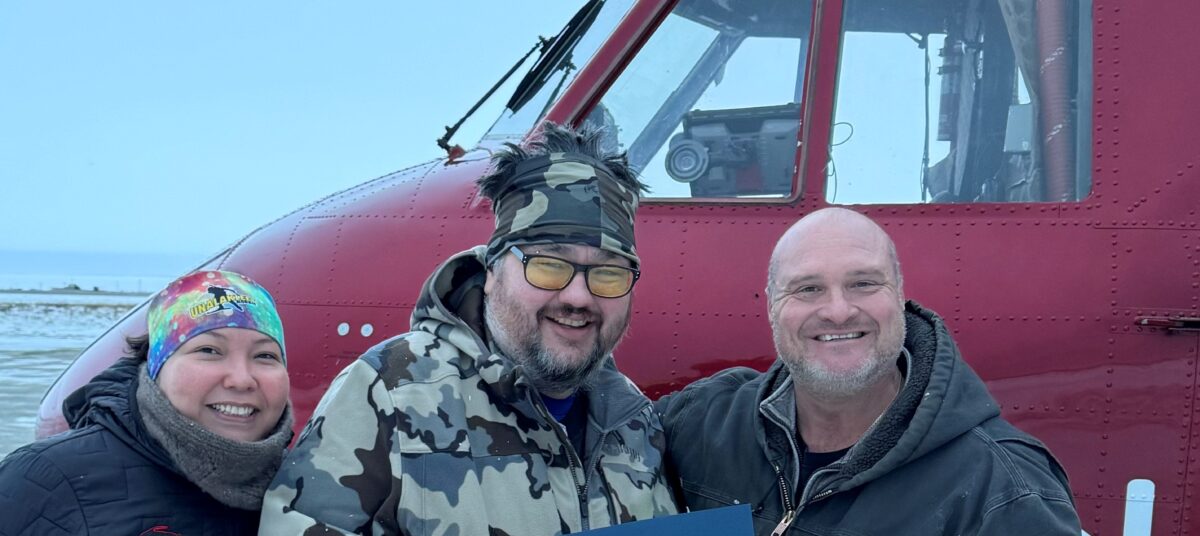
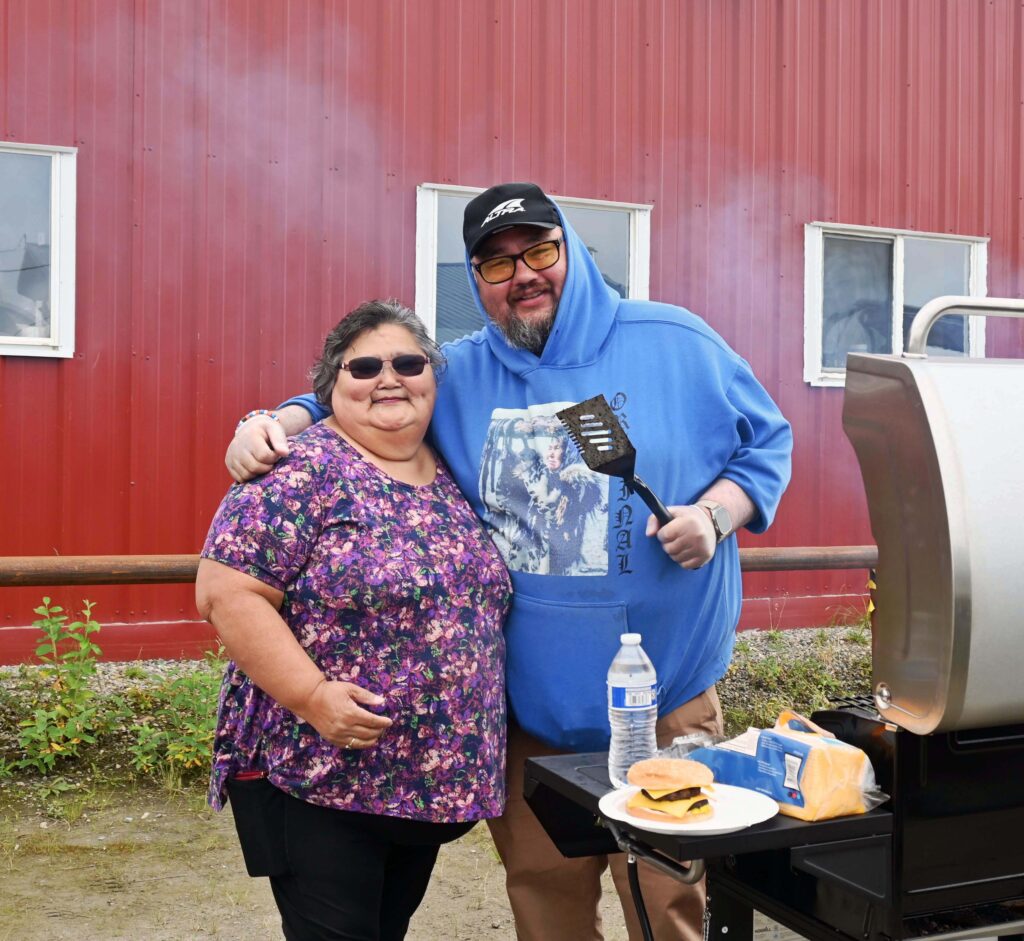
Davis flew in to attend Ryan Air’s 70th-anniversary event in Nome, where he characteristically pitched in by manning the grill.

When a Ryan Air village agent position opened in Shishmaref, Dennis already knew the pilots well. When the previous agent left, they asked if he wanted the job.

The work is demanding. Unload freight from arriving aircraft. Process deliveries. Get everything to where it needs to go—immediately. In Shishmaref, Dennis, often assisted by one of his seven children, delivers every package to residents’ doorsteps, often in whiteout conditions.

“Rain or shine, you get the goods to the store,” he said. “It doesn’t matter if it’s whiteout or not. If anything comes off the plane, it gets delivered the same day.”

But the title “village agent” barely captures what Dennis actually does. He coordinates search and rescue operations from Barrow to Juneau. He connects native corporations with resources. He responds to calls from individuals in crisis. He works with a team scattered across Alaska—and two in Michigan—who come together when communities need help.

“I just go where people need help the most,” he said.

His Instagram handle declares his philosophy: “Remember Never Put Yourself First And Always Look Out And Help Our People.” In rural Alaska, where he’s known as the “Eskimo Fixer,” that’s not just a motto—it’s a job description.

Fun Facts

Dennis’s favorite food is musk ox—”very good,” he says—but it’s exclusively subsistence hunting. You can’t order it in any restaurant. Everything he ate growing up came from what his family caught: salmon, geese, moose, caribou. That subsistence lifestyle continues today, even while he works as a village agent.

Dennis’s grandfather did similar work in rural Alaska, getting clean water to surrounding villages. Dennis grew up watching him serve the community in the same way he now serves Shishmaref—creating a multi-generational tradition of making sure remote villages have what they need to survive.

Partnership in Crisis

When Typhoon Halong hit, Dennis called Ryan Air immediately. The airline responded without hesitation.
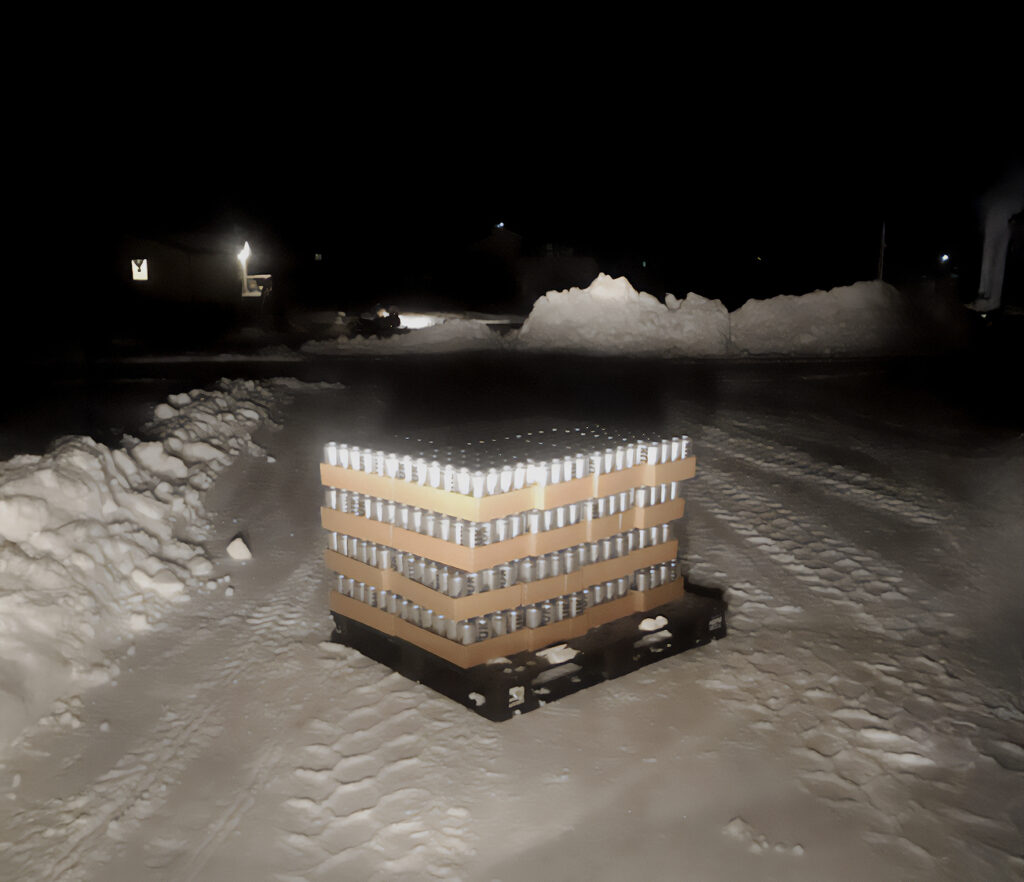
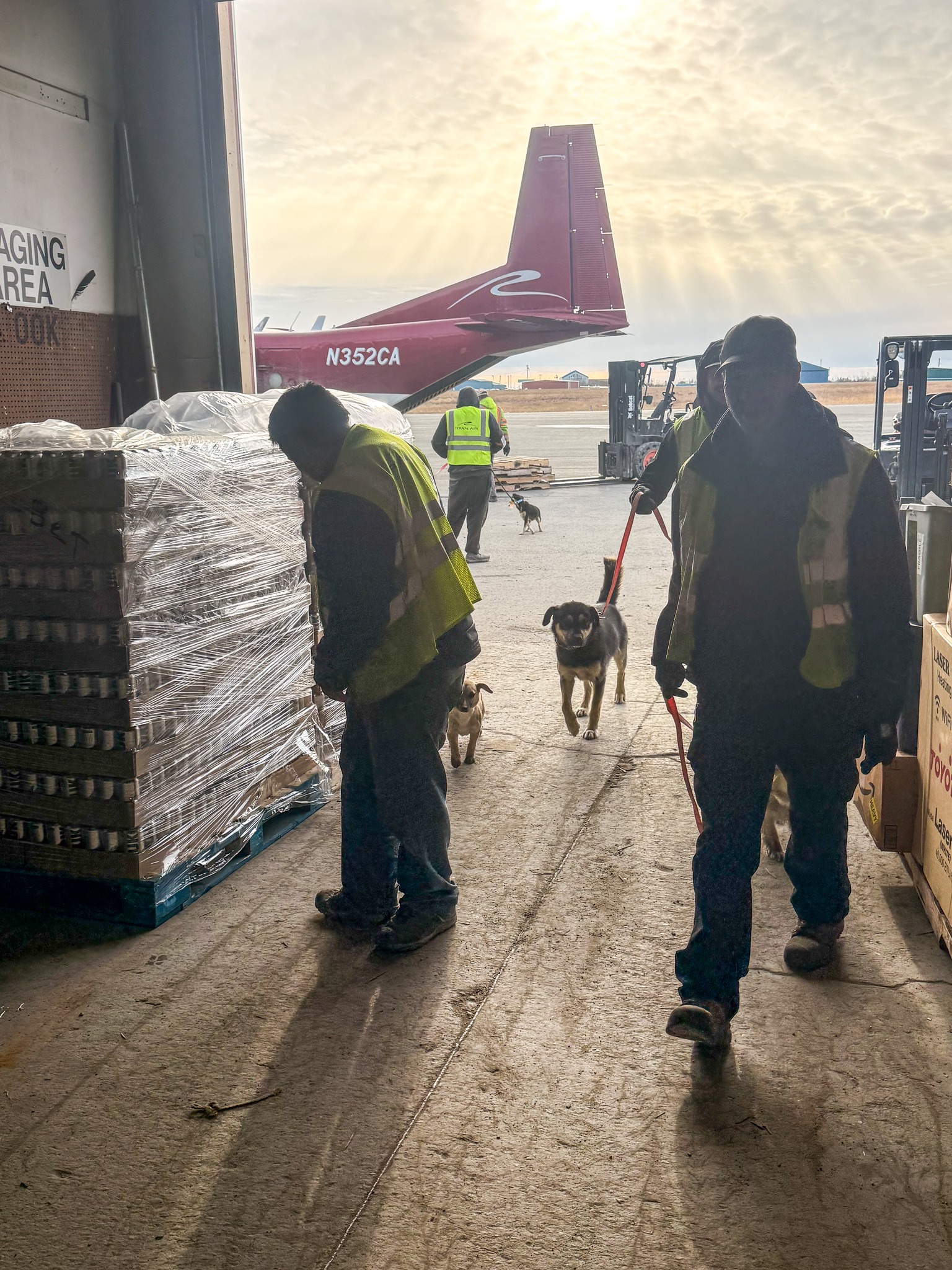
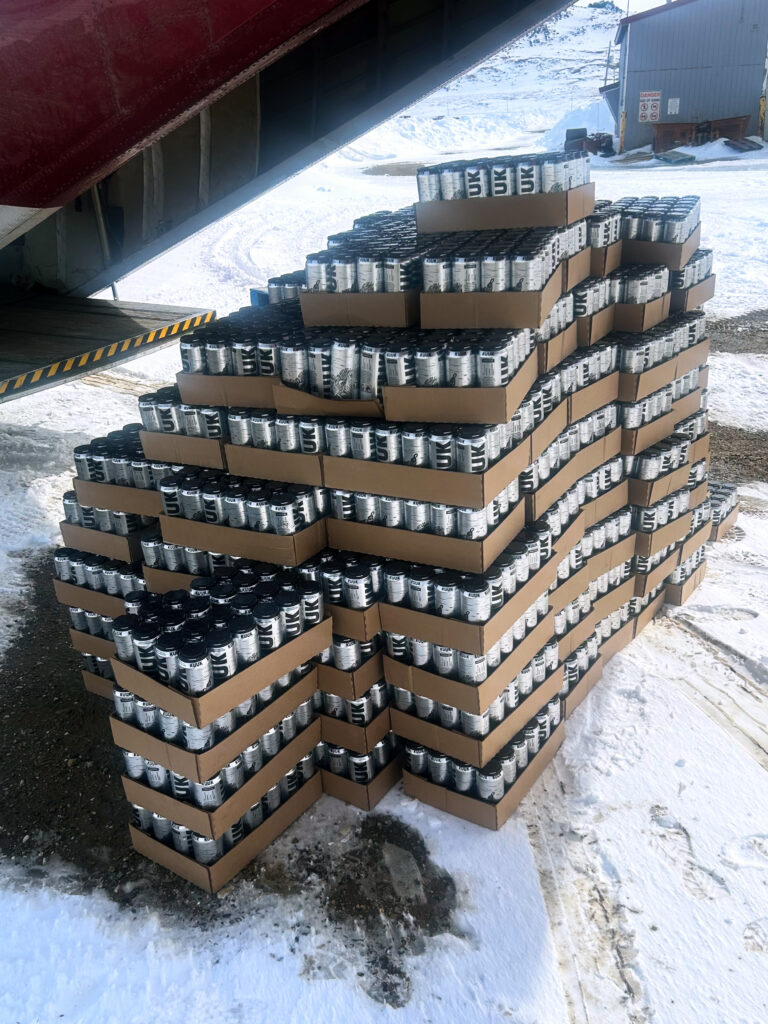
Saltchuk donated $10,000 to purchase water through KUUK. Ryan Air and Northern Air Cargo began flying pallets to devastated villages within days. In the first 48 hours alone, they shipped water to Nightmute, Chefornak, Tuntutuliak, Kwigillingok—full pallets and half pallets, whatever each community needed most.

Joe Warren, who founded KUUK, credited Dennis with making the rapid response possible.

“Dennis is always willing to help, always willing to connect the right people to make something happen,” Warren said. “KUUK is Dennis basically.”

KUUK—named for the Inupiaq word meaning “river”—is an Indigenous-owned canned water brand that donates all earnings to Kuugaq, a 501(c)(3) nonprofit expanding water access across Alaska and East Africa. Dennis joined about a year ago, coordinating water distribution to frozen villages, communities on boil-water notices, and anywhere else clean water becomes scarce.

Which, in rural Alaska, happens more often than most people realize.

Fun Facts

Beyond water delivery and search and rescue, Dennis coordinates connections between Saltchuk companies and other Alaska nonprofits like Kids Kupboard, which provides food assistance to rural communities. Joe Warren credits Dennis with making most of these organizational partnerships happen: “What it really boils down to is everybody wants to help, and you gotta point them in the right direction to help.”

All seven of Dennis’s children (ages 15-27) still live in Shishmaref and take turns meeting Ryan Air planes and delivering packages. This family operation ensures that every UPS delivery and cargo shipment reaches residents’ doorsteps the same day it arrives, regardless of weather conditions—a level of service that goes well beyond what’s technically required of a village agent.

The Water Problem

Fresh water is an ongoing crisis in Western Alaska’s remote villages. Most lack running water and sewer systems. Infrastructure installation costs are staggering—Warren estimates bringing water and sewer to Shishmaref alone would cost around $150 million.

The average American uses 75 to 100 gallons of water per day. In many Alaska villages, residents make do with 1.5 to 2 gallons per person per day—for everything.

“The partnership with Ryan Air and with Northern Air Cargo, it makes it where I’m able to help people as much as I possibly can,” Dennis said. “It’s like the water. I mean, you need water to survive.”

Villages are accessible only by air or, seasonally, by barge. Weather windows are unpredictable. Infrastructure is minimal. But Ryan Air and Northern Air Cargo have moved freight under challenging conditions, often on short notice, to communities without consistent power or road access.

Beyond the Water

Ryan Air and NAC have long-standing relationships with animal rescue organizations, flying dogs from rural Alaska to Anchorage for veterinary care. More than 200 dogs were evacuated following Typhoon Halong and were either reunited with their owners, placed in foster care, or made available for adoption.

The Typhoon Halong response also included a remarkable side mission: Ryan Air and Northern Air Cargo flew planeloads of orphaned dogs from flood-damaged villages to rescue organizations in Anchorage.

Dennis also coordinated connections between Saltchuk companies and other Alaska organizations like Kids Kupboard, expanding support networks for rural communities.

“What it really boils down to is everybody wants to help,” Dennis explained. “And you gotta point them in the right direction to help.”

In the weeks after the storm, Dennis helped rebuild infrastructure in Shishmaref. Two barges arrived in early November with materials to reinforce the seawall. Normally, the last barge comes by early September. That barges were still navigating in November, through waters that should be frozen, speaks to the changing conditions affecting coastal Alaska.

Dennis uses drones to document sea ice retreat and coastal erosion, taking footage to colleges where he gives talks about what’s happening to his village and others along the coast.

Fun Facts

Dennis coordinates emergency response operations with a volunteer team scattered across Alaska—and two members based in Michigan. “I’ve got a couple guys in Bethel, a lady in the Mat-Su Valley, and then a couple guys up where I’m at,” he explained. When crisis hits, this distributed network can mobilize resources across thousands of miles.

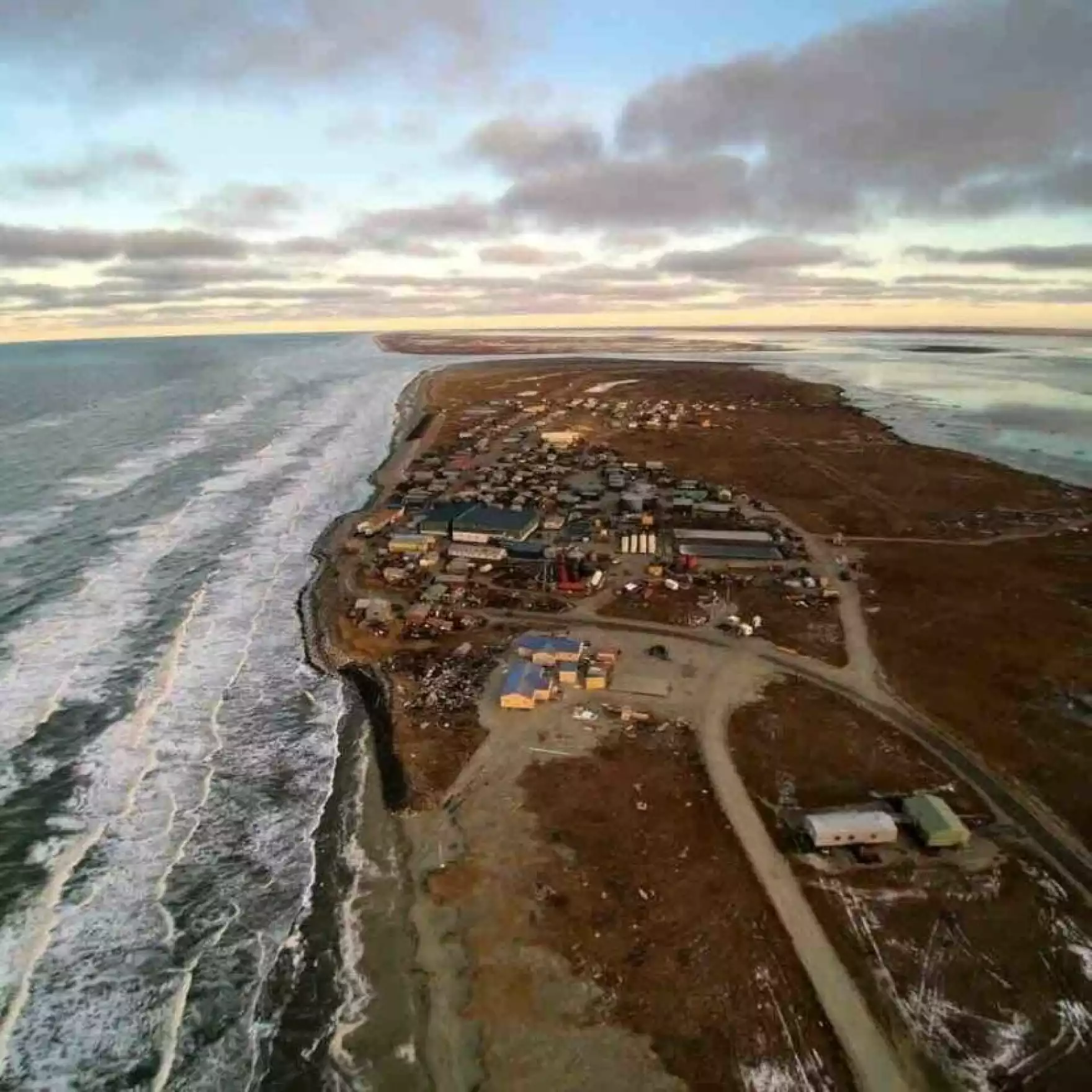
Shishmaref from the air, circa 2017, captured by Dennis Davis

Dennis uses drones to capture aerial footage of coastal erosion and sea ice retreat around Shishmaref and other threatened villages. He takes this footage to colleges across Alaska where he gives talks about climate impacts. “Once you go up and you start looking down, then you start seeing the different chaos that you can see after a storm,” he explained.

Passing It Down

All seven of Dennis’s children, ages 15 to 27, still live in Shishmaref. They all take turns meeting the planes.

“That’s the expectation. That’s what I want,” Dennis said. “You’re just trying to pass the reins down to our kids or people that we can trust.”

He’s clear-eyed about the challenges. The work requires someone willing to coordinate crisis response, deliver packages in blizzards, organize search and rescue, and show up for their community repeatedly.

But Dennis can’t imagine doing anything else.

“As long as my people need help, I’m going to help,” he said.

For the 77 villages Ryan Air serves across Western Alaska, that commitment makes all the difference. When the next storm comes—and in a warming Arctic, another will come—communities will need people like Dennis Davis: fixers who refuse to let their people face disaster alone.