December 16, 2025

Full Circle: Carlile manager pays it forward, creating pathways for the next generation to a rewarding career in the trades

Whitney Roe came full circle—from student to chef to mechanic to mentor, creating pathways for the next generation of Alaska’s diesel technicians 

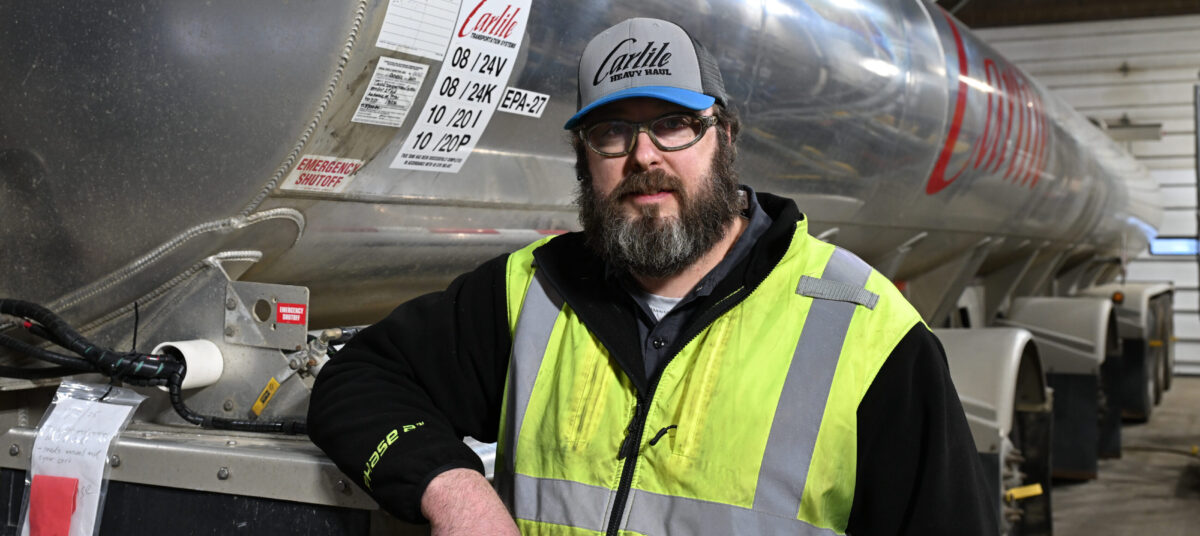
Whitney Roe never expected that his journey from aspiring teacher to restaurant chef to diesel mechanic would position him to solve one of Alaska’s most pressing workforce challenges. 

Roe initially set out to become a biology teacher; however, realizing that vocational training best aligned with his goals and financial situation, he enrolled at AVTEC—Alaska Vocational Technical College—for diesel and heavy equipment training. 

What came next was a decade-long detour through restaurant kitchens—including a stint as an executive chef in the ice fields of Prudhoe Bay—as Roe struggled to break into the mechanic trade during the early 2000s. Today, as Service Manager for Carlile Transportation‘s Anchorage terminal, Roe is addressing Alaska’s critical mechanic shortage by doing what he always wanted to do: teach. 
The Mechanic Drought

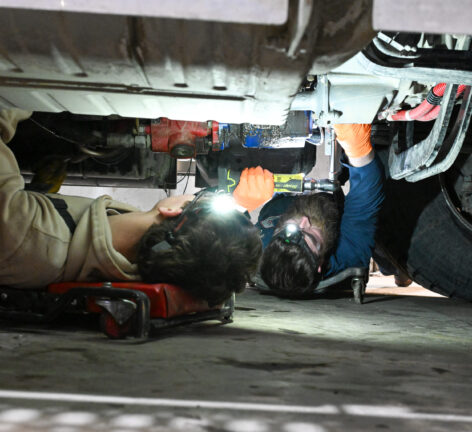
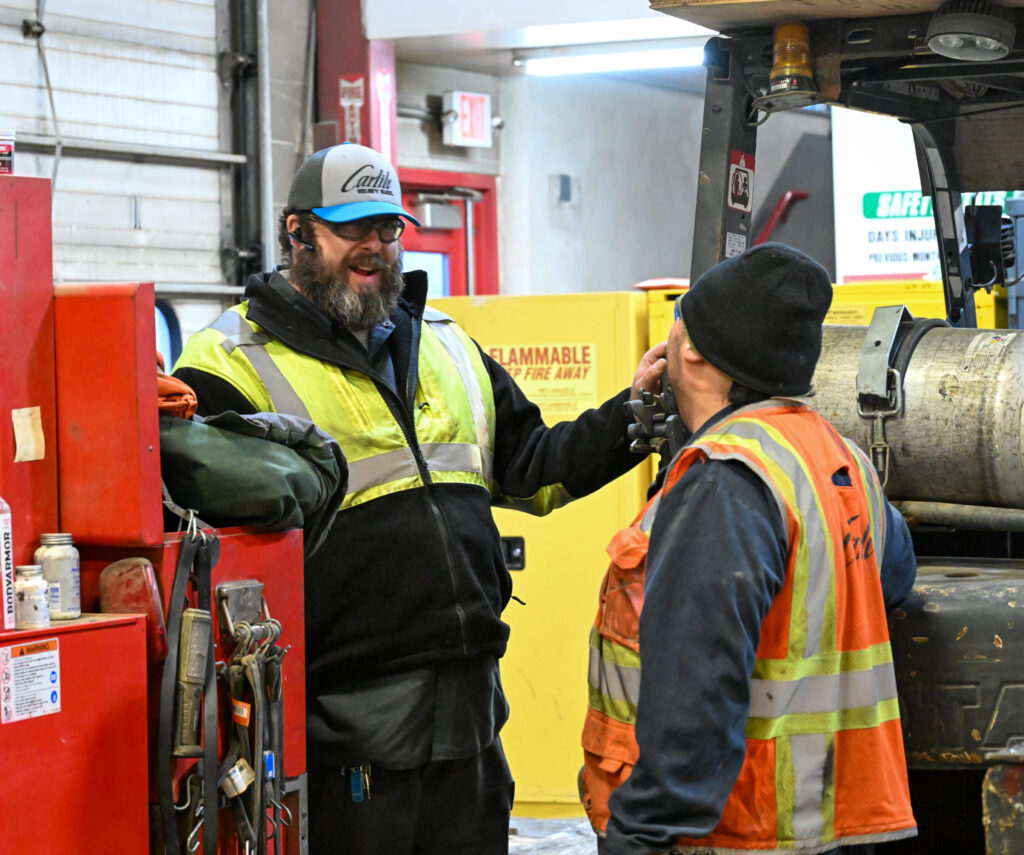
Whitney Roe talking with shop mechanic Walter Atuk

When Roe graduated from AVTEC in the early 2000s, he couldn’t find work in his field. Alaska’s economy was rebounding modestly after sluggish growth in 1999, but construction and mining sectors—the primary employers of heavy equipment mechanics—showed minimal expansion or even slight contractions.  

Roe traveled as far as Wisconsin and Minnesota in search of work, only to discover that most agricultural equipment was leased and maintained by specialized companies that weren’t hiring. “I couldn’t get a job,” he said. “So, I stayed in restaurants for over 10 years.” 

Today, the landscape has completely reversed. Alaska faces a critical shortage of qualified heavy equipment mechanics, driven by infrastructure expansion, growing transportation needs, and an aging workforce retiring faster than younger workers can replace them. Modern equipment requires advanced skills in hydraulics, electronics, and computer diagnostics—raising the bar for entry just as fewer students pursue the trades. 

But Roe attributes the shortage to another critical factor: systemic changes in education. Over the past two decades, many schools have reduced or eliminated vocational training programs, leaving fewer pathways for students interested in skilled trades. 

“We had wood class in junior high. I had shop class and automotive in high school,” Roe recalled. “But without those programs, students don’t get exposed to these career options. We’re pushing everyone toward college when trade schools cost a fraction of the price and lead to well-paying careers.” 

Building Bridges Back to the Trades

The solution began to take shape when Carlile’s Director of Repair and Maintenance, Cameron Coursey, recognized the need to stimulate local school districts and develop partnerships with King Tech Career and Technical High School in Anchorage. The program offers high school students a paid internship learning diesel mechanics, with a clear pathway to full-time employment. 

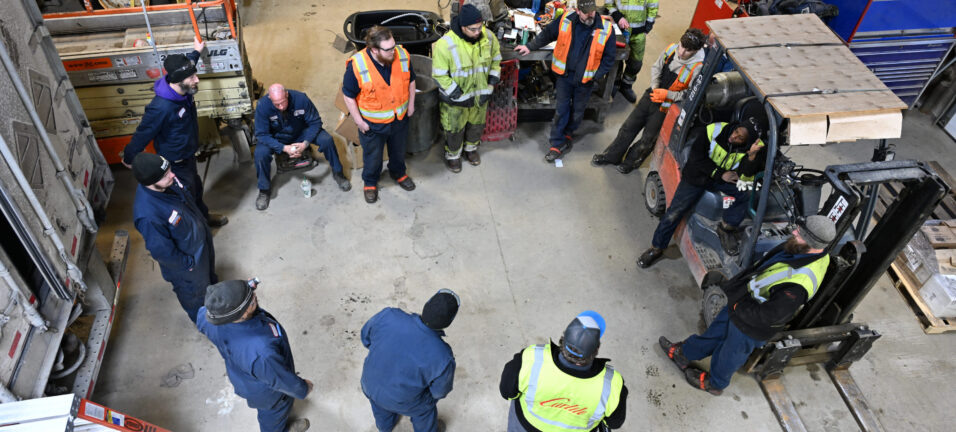
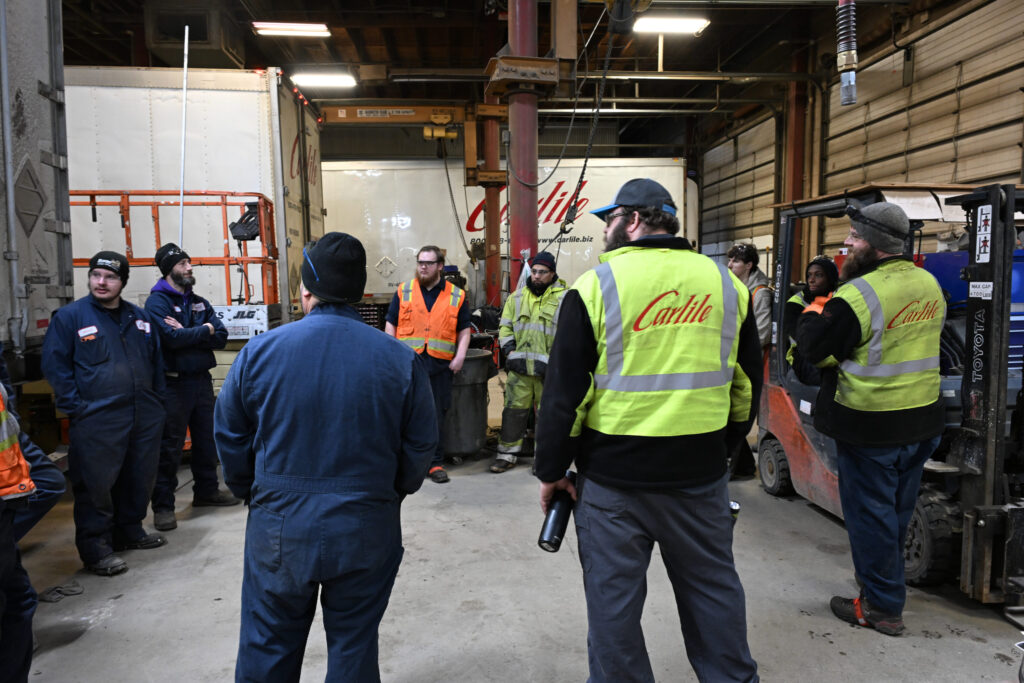
When Roe moved to Anchorage as Service Manager in July 2024, he found a shop with fewer than ten employees. Today, that number has grown to 31, he says, thanks in large part to the King Tech partnership and the dedicated work of Roe’s shop leads: Chad B., Will V., and James B. 

The internship program is comprehensive and structured. “First class is safety and our orientation,” Roe explained. “There are four modules. Two weeks of safety, three weeks in both the trailer shop and body shop, followed by four weeks in the truck shop. During these times, they understand how our policies are safety-driven. They learn our work processes, how to use our computers, make repair orders, and even work on the equipment with skilled personnel next to them.” 

For bringing in the heavy haul truck for school visits, students get to climb in and browse up close. “The goal is to give them a chance to see what they see on the road or making local deliveries,” Roe said. “This is the current model that our mechanics work on.” 

What sets Roe’s approach apart is what he looks for in candidates: “Critical thinking, entry-level history, work ethic, motivation, initiative, good attitude, good school attendance, and being driven,” he said. “We can train and educate most, as long as there is motivation and people are willing to be loyal and take initiative.” 

The Full Circle Moment

The program’s success has been personally meaningful for Roe, who credits his team for making it work. “There are two rewarding parts,” he reflected. “The first is a sense of accomplishment from witnessing my life complete a full circle. I’m working with and next to people who helped me grow as a student. Now I get to work with them, helping the next generation have opportunities. The second is witnessing these new young people learn and make small accomplishments, seeing certain senior mechanics taking them under their wings to help them learn even more.” 
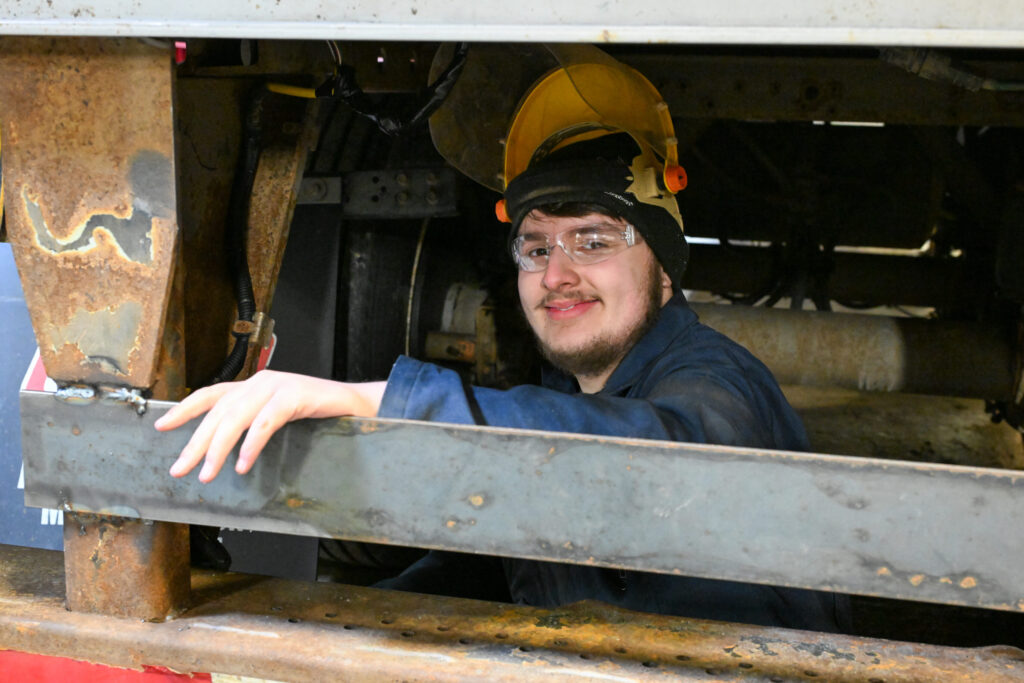
The initiative is gaining momentum. Three other dealerships have joined the program, and Roe is working with AVTEC to expand opportunities there as well. He’s also collaborating with Jacqueline, the state of Alaska’s federal director for apprenticeships, to secure federal recognition for Carlile’s apprenticeship program—which could unlock additional funding for students.

“It’s really like reaching a full circle,” Roe said. “I’m working with three people who actually helped me when I was his age.”

A Student's Journey: From Classroom to Career

Brody Gramer embodies exactly what Roe hoped the program would achieve. Born and raised in Anchorage, Brody grew up watching his dad work on trucks as a hobby. When Carlile brought a truck and trailer to King Tech during his senior year, he was immediately drawn to the equipment’s complexity and scale. 

“Just the amount of parts on these trailer trucks and how pricey it is to repair these things” surprised him, Brody said. But more than that, he realized, “This is something I can work on that actually runs the country a little bit.” 
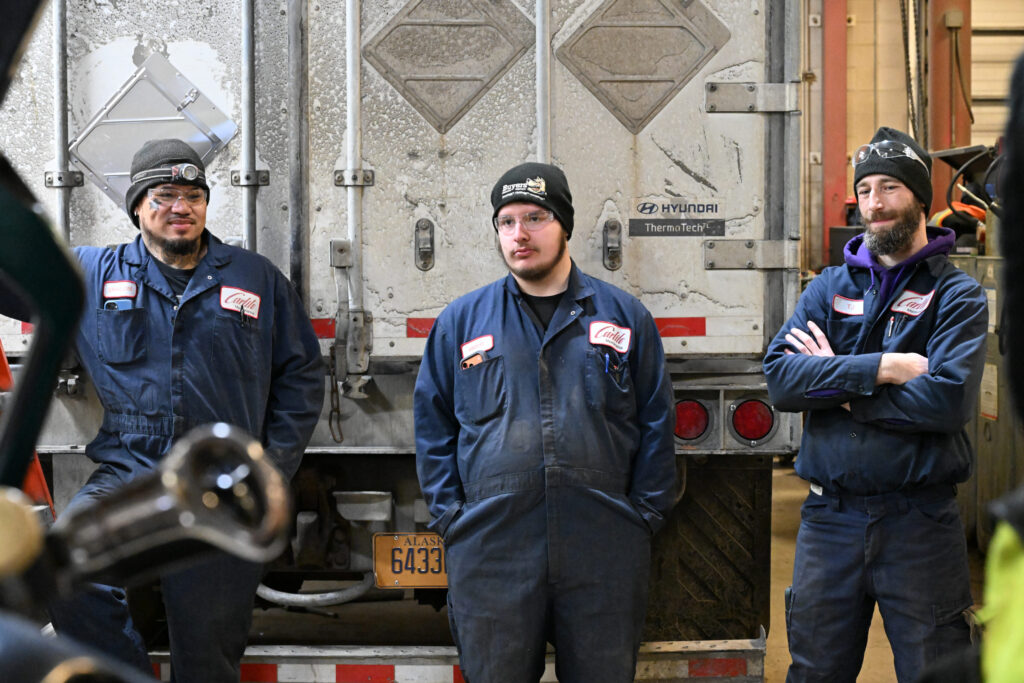
Starting his internship in April of his senior year at a paid rate of $16 per hour, Brody graduated in May and immediately transitioned to a full-time apprentice position at $20 per hour with full benefits. Now working in Carlile’s trailer shop, he’s mastering everything from brake changes to ABS systems, with access to comprehensive manuals and experienced mentors ready to help. 

“Most things, once you do like two to three of them, you know them and you can get them done real fast,” he explained. The supportive environment stands out to him: “The coworkers here are nice and friendly. They help you when you need help. If you got a problem, they’ll help you.” 

Unlike many of his high school classmates who were still searching for jobs or heading to college, Brody had secured his career path before graduation—complete with Carlile’s $4,200 annual tool allowance to help him build his professional toolkit without the burden of significant debt. 

The program offers him clear advancement opportunities based on skill level rather than seniority, with room to grow as he completes his apprenticeship hours. For a young person starting out, the stability and support are invaluable. “My advice?” Brody said simply. “Set an alarm and show up.”Â