March 12, 2026

Mass Maritime Cadet Madison Selby Finds Her Place in OSG’s Tanker Fleet

in Marine Services, People of Saltchuk

Women Offshore scholarship recipient finds her place aboard the Overseas Cascade

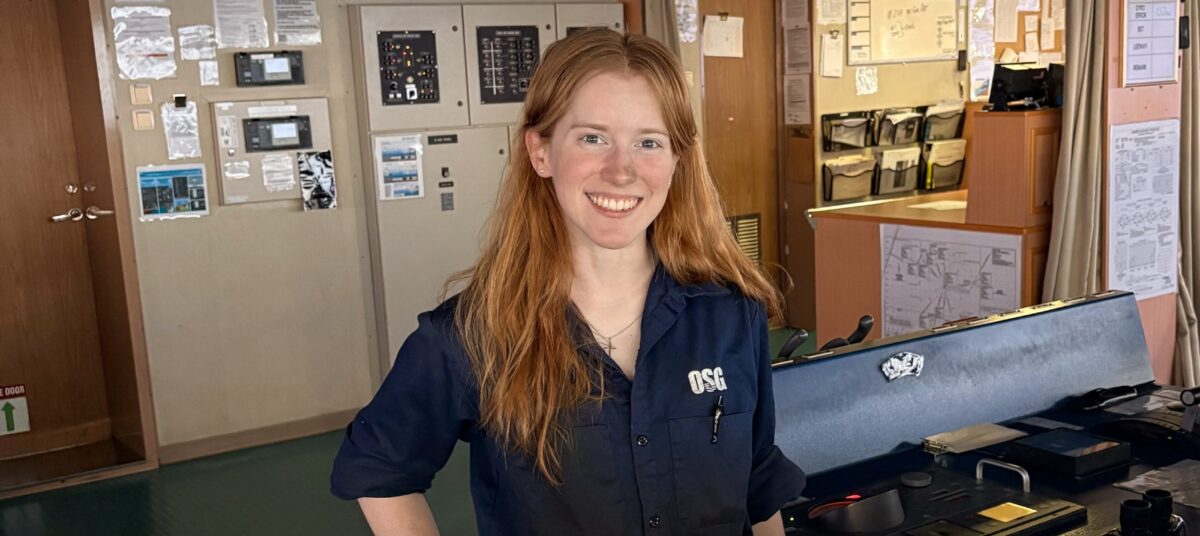
Madison Selby’s fascination with ships began in her living room in Dundalk, Maryland, watching Titanic with her mother. That childhood spark—fueled by her Coast Guard uncle’s 20-year career and three trips aboard the tall ship USCGC Eagle—would eventually lead her to Massachusetts Maritime Academy, where she became the first in her family to attend a maritime academy.

She’s now part of a growing wave. While women remain underrepresented in the U.S. maritime industry—comprising just over 7% of the 210,000-person shipborne workforce—female interest is rising. Over the past decade, female academy applications increased 72% compared to 64% for male applicants. At Mass Maritime, where Selby studies, women now make up nearly 15% of the student body.

But interest alone doesn’t remove the barriers that keep talented women from reaching the bridge or engine room. That’s where companies like Overseas Shipholding Group are making a difference.
Removing Financial Barriers

In 2024, OSG established a three-year, $91,500 partnership with the Women Offshore Foundation to award scholarships supporting female maritime cadets. Each year through 2026, four women attending U.S. maritime academies will receive financial support to help cover costs associated with their required sea-term training—the hands-on shipboard experience cadets need to earn their professional deck or engine officer credentials.
“Building a strong future for shipping requires shipowners to actively participate in attracting and retaining the best talent available from all backgrounds,” said Sam Norton, OSG’s CEO at the time the partnership was announced. “These awards help alleviate financial obstacles for deserving women and provide them an opportunity to succeed within our industry.”

For Selby, whose father retired before COVID and whose mother became the family’s main provider, the Women Offshore Scholarship was transformative.

“Both of my parents have sacrificed so much to give me the education I’m receiving today,” she said. “When I told them about the scholarship, the looks on their faces are moments I’ll never forget. It gave me a huge boost of confidence.”

From Classroom to Deck

Selby’s path to the tanker fleet wasn’t entirely straightforward. Growing up near Baltimore, she and her father would drive over the Key Bridge, watching ships enter and leave port.

“I’d look to see what ships were in port, which were coming or going, and whether any were tankers,” she said. “As I got older, I appreciated them even more: what they carry, the responsibility involved, and the work required.”

By her junior year at Mass Maritime, she’d found her footing academically and professionally, working with the school’s Event Management team and clarifying her career goals. When the career fair arrived, she focused exclusively on tanker companies.

Meeting OSG recruiter David Shevlin felt different.

“I told him about my interest in tankers and why I wanted to work on them. He explained the work rotations and the opportunities, including international routes,” she said. “Something clicked. It felt right.”

Weeks later, she received word: OSG had selected her for a winter sailing assignment. On December 18, Shevlin called asking if she could fly out the next day to join the Overseas Cascade in the Gulf.

“I was sitting in a Target parking lot when it hit me—this was really happening,” Selby said. “I wasn’t nervous, just excited. Excited to be on my own, to test myself, and to sail on a tanker.”

Creating Culture Change

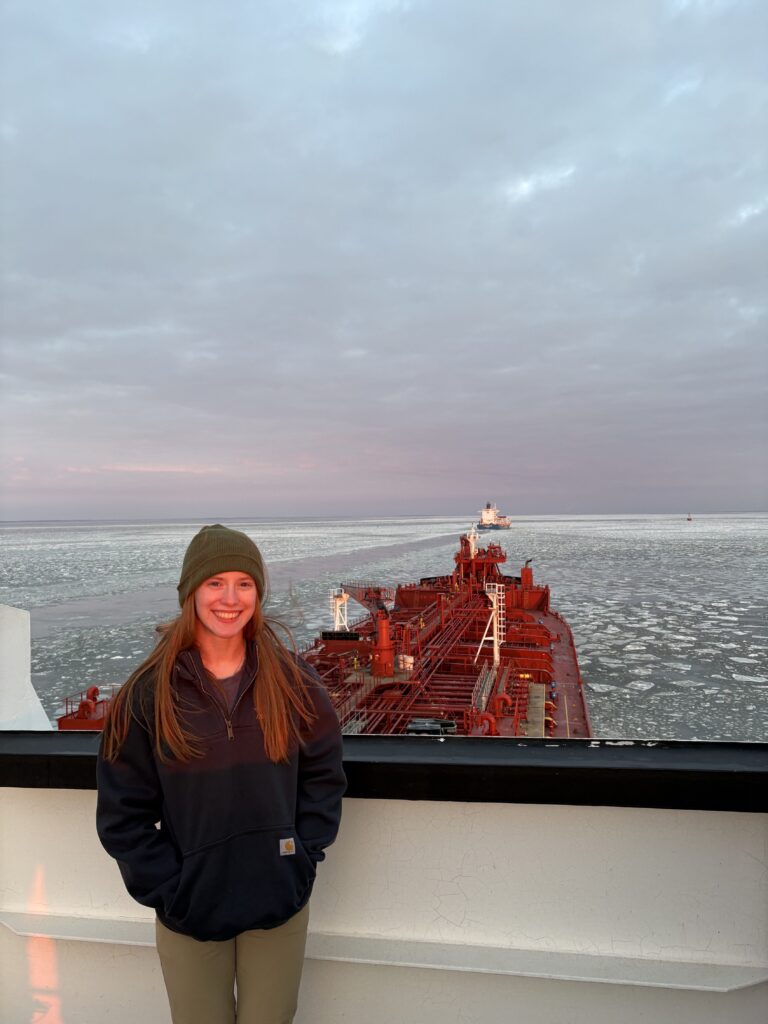
Aboard the Overseas Cascade, Selby was the only female crew member. It’s a reality many women mariners face: even at academies where women now earn up to 29% of degrees, they remain a distinct minority in the shipborne workforce.

“I was initially worried about being treated differently,” Selby said. “I made it clear I wanted to be treated the same as everyone else, and that’s exactly what happened. I was trusted, involved, and formed strong bonds with the crew, from the ABs to the officers, both engine and deck side, Chief Mate, and Captain.”

That trust—and the opportunity to participate fully in tanker operations—built the kind of confidence that sustains maritime careers.

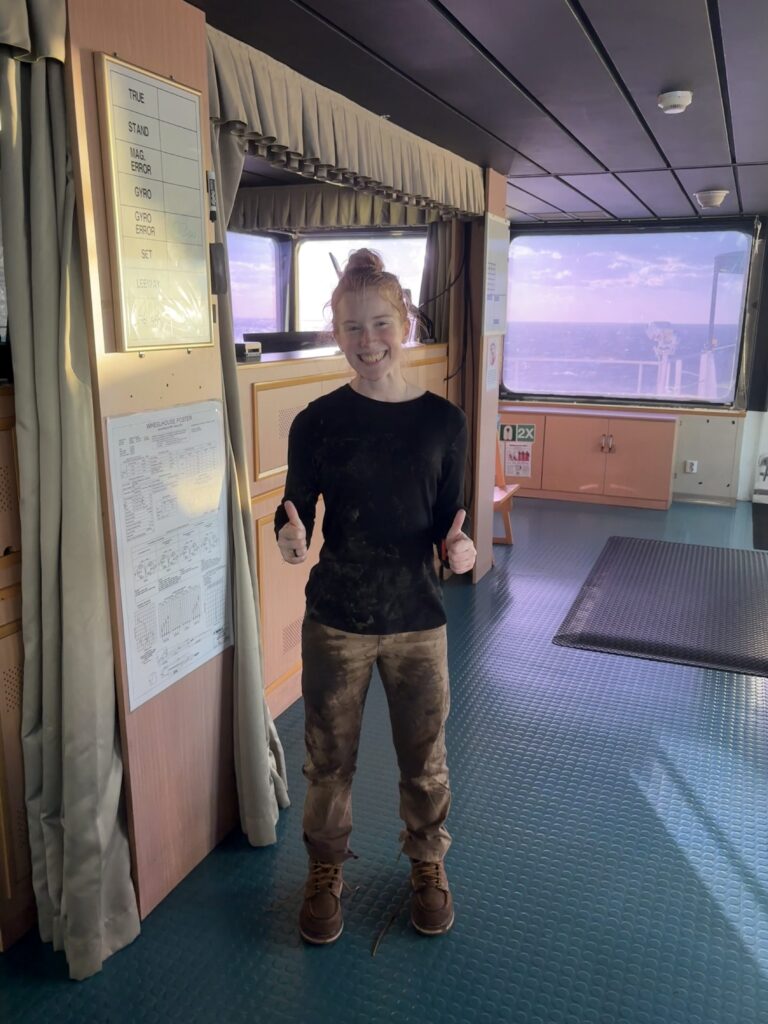
“That ship helped me build confidence, speak up, and stand my ground,” she explained. “I was given every opportunity to experience life as a tanker mariner. I learned how to take constructive criticism without embarrassment, which takes courage, especially as the only woman onboard.”

Every day brought new learning experiences. She felt comfortable asking questions, even when she didn’t know the answer.

Selby’s advice for women entering the fleet is straightforward: “Know your worth and your potential. If you feel like something is right, take it. Don’t wait and eventually miss the opportunity.”

Norton said OSG’s commitment to Women Offshore reflects the company’s recognition that a diverse workforce strengthens the entire industry.

“We are incredibly proud to support exceptional women as they follow their aspirations to pursue fulfilling careers within the U.S. maritime sector,” he concluded. “When companies actively invest in creating opportunities, that’s when real change happens.”